BOOKING TRAVEL / WHAT IS COVERED BY MEDICARE
About Medicare
Medicare is Australia's global health care system.
We help Australians with the cost of their health care.
We started on February 1, 1984 to help pay for hospital medical services.
Read about the history of Medicare on the Australian National Museum website.
Australians can sign up for Medicare. Learn how to enroll.
How Medicare works
When you enroll in Medicare, we will pay some or all of your necessary health care expenses.
Remember, we do not pay for all medical services.
The Medicare Benefits Schedule (MBS) lists the services we pay. Department of Health manages MBS.
Read more about what is insured.
If your doctor pays in bulk, we pay the doctor directly. This means you will not have to pay anything. Read more about how bulk payments work.
You will need to pay for your appointment if your GP does not have a bulk invoice. You can claim this money back from us.
We also help make some drugs more affordable for you through the Pharmacy Benefits Program. Learn more about Medicine and Medicare.
If you have high medical costs, there are many ways to help control your costs. Read more about help with medical expenses.
Funding of Medicare
The Australian Government pays for Medicare through Medicare taxes. Australians who work are required to pay Medicare taxes as part of their income tax.
People on high incomes who do not have appropriate private hospital insurance will also have to pay a Medicare tax surcharge.
Access Medicare
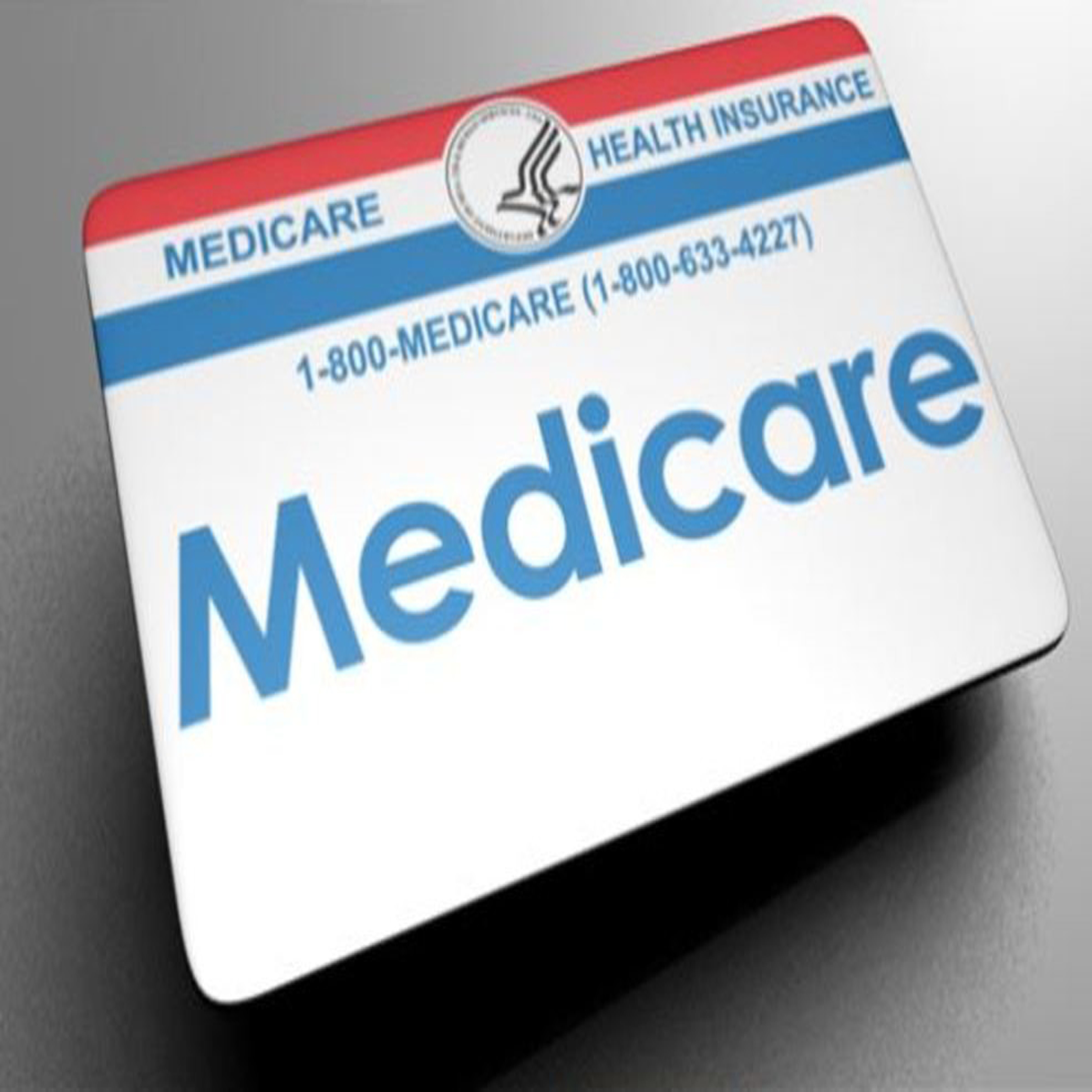
You will need to be enrolled in Medicare to access our services. Find out if you are eligible to apply. When you register, you will receive a Medicare card.
It is best to bring your valid Medicare card or number when you visit a general practitioner or specialist.
You will also have a My Health Record that securely stores all your health data in one place. Read more on the My Health Record website.
Medicare Insurance
We help cover the costs of part or all of the following services:
-Meeting a general practitioner or specialist
-Check and scan, like x-rays
-Most of the surgeries and procedures performed by doctors
-Examine the eye of the ophthalmologist.
Medicare does not cover
We do not pay for things like:
- Ambulance service
-Most dental services
-Glasses, contact lenses, and hearing aids
-Cosmetic Surgery.
See a doctor
When you enroll in Medicare, we can help pay some or all of your costs when you see a doctor. If your doctor chooses a large bill, we will pay the costs and you will not need to pay them all.
If your doctor does not pay the bulk bill, you will need to pay either:
-Total cost
-The difference between what they charge and what we include.
If you pay the full cost, you can make a claim for the amount we pay. Your doctor may also make a request on your behalf.
When you make an appointment, you should ask if they have a large bill. If they don't, you should ask:
-What they charge
-What can you get back from us.
To find a doctor with a bulk bill, use the health service finder on the Healthdirect website.
It is best to bring your valid Medicare card or number when you see your doctor.
If you download the Express Plus Medicare mobile app, you'll always have a digital copy of your card with you.
Go to the hospital
You may need to go to the emergency department of a hospital if you are seriously injured or sick. The hospital emergency department is open 24 hours a day.
You may also need to go when the general practitioner refers you to a specialist and they suggest you go to the hospital. When this happens, you usually have to wait to get into the hospital. This is a reservation for admission.
Your expenses are paid if you are a public patient in a public hospital.
You will need to bring a valid Medicare card or number when you go to the hospital.
To find a hospital near you, you can use the health service finder on the Healthdirect website.
Cost
You can choose to be a public or private patient when you go to the hospital. As a public patient at a public hospital, your costs will be paid. This includes expenses for going to an emergency department.
Private health insurance can help you cover the cost of a private patient in a hospital. We may cover some of your costs for hospital services and procedures. We do not cover accommodation, medicine and theater fees if you are a private patient.
Learn more about private health insurance and Medicare.
Ambulance
We do not include emergency transportation costs or ambulance service to the hospital. Ambulance costs vary by state and territory. Baits
o Private health insurance can help you with ambulance costs.
Read more about ambulance insurance on PrivateHealth.gov.au.
Get help with health care costs
We can help if you and your family have high health care costs. There are also things you can do to reduce costs. Learn how to get help with medical expenses.
Medicare safety net
If you have a lot of hospital expenses, the Medicare Safety Net can help control them. If your costs for the year reach a threshold, we will pay more than your costs. If you enroll in Medicare, you automatically enroll in a safety net.
You can combine non-hospital expenses with your partner and children to reach the threshold sooner. To combine your hospital expenses, you need to register as a family.
Medicine and Medicare
Pharmaceutical Benefits Scheme (PBS) helps you get cheaper PBS medicine. You may get an extra discount if you have a concession or health care card.
If you spend a lot on PBS drugs, you can sign up for the PBS Safety Network to get them even cheaper. Read about the PBS safety threshold.
Access other services and payments
Depending on your needs, we have a range of other programs and programs to support your health care:
- Medicare services for native Australians
- Medicare services for conception, pregnancy and birth
- Take care of children's health
-Health care and aging
- Medicare services for rural people and remote Australians
-Other Medicare support.
Use my health records
You can track your health information in 1 place with My Health Record. This is an online summary of your main health information. It gathers information from you, your health care providers and Medicare.
It records your details:
-Medical conditions
-Medical treatment
-The drugs
-Allergy
-Check or scan results.
How to get medicine
Occasionally, you may need medicine to treat or prevent health problems.
Through the counter
You can get some medicines over the counter at your pharmacy, or at a supermarket. These medications often treat minor conditions such as headaches and hay fever.
You will have to pay the full cost for over-the-counter medicines.
From your doctor
When your health problem is more serious, your doctor may recommend stronger medications. Your doctor will write you a prescription for these. You will need to bring a prescription to a pharmacy to buy the medicine.
Examples of prescription drugs may include antibiotics and strong pain relievers.
In the hospital
If you go to the hospital, you may need some medications while you are there. The doctor at the hospital may prescribe the medicine you need. A nurse, doctor or pharmacist will give you the medicine.
If you are admitted as a public patient in a public hospital, you may not have to pay for medicine. Learn more about health care and Medicare.
Prescription drugs
When you receive a prescription, you can choose between drugs. Types include brand name drugs and generic drugs. It is important to know that they are different. Both use the same active ingredient, but they may have different inactive ingredients.
It is important to discuss the type you will get with your pharmacist or doctor.
Read more about generic versus brand drugs on the Healthdirect website.
The Pharmaceutical Benefits Scheme (PBS) can help reduce the cost of some prescription drugs. It does not reduce the cost of all prescription drugs.
You can use My Health Record to keep track of your medications. Read about my Health Records on the Australian Digital Health Agency website.
How to get help with drug costs
Some prescription drugs can cost a lot of money. To make these drugs more affordable, the Pharmaceutical Benefits Scheme (PBS) can reduce costs.
PBS offers reduced costs for PBS prescription drugs for Australian residents, some travelers and concession card holders. You will need to be enrolled in Medicare to access it. When you register, we will give you a Medicare number.
You will need your Medicare number to access PBS drugs. Your number may already be on your prescription. If not, you may be asked to submit a prescription.
If you spend a lot on medicine
If you spend a lot on PBS medicine, the PBS Safety Net can lower your costs. When you spend a certain amount of money and reach the threshold in a calendar year, you can get cheaper or free PBS medicine for the rest of the year.
It is best to discuss the PBS Safety Net with your pharmacist so they can track your spending. If you go to different pharmacies, you will need to track your spending.
Read more about the PBS safety threshold.
You can access the PBS Safety Net using the prescriptions filled out at:
-Community drugstore
-The private hospital is approved
PBS drug provider, or
- Outpatient pharmacies at public hospitals.
You will need to use the hospital Prescription Profiles form for this.
If you have a health care card
You can get PBS medicine at a further discount if you have:
-A Health Care Card
-A Commonwealth Seniors Health Card
-A Ex-Carer Allowance (child) Health Care card
-A Foster Child Health Care Card
-A low income Health Care Card
-A Pensioner Concession card.
To save money, you will need to present the card when collecting PBS medicine. You will not get discounts on over-the-counter medicines.
See a doctor
We all experience challenging emotional problems at different times. We cannot always solve these problems on our own. If you feel you need help and it's not an emergency, it's best to see a doctor.
When you see a doctor, they will assess what you need help with. This may include:
- Mental health assessment
-Create a mental health treatment plan
-Report you to a psychiatrist or other mental health professional
-Give you a prescription to treat depression or anxiety.
Your doctor may ask you some personal questions to understand your situation. It can sometimes be difficult to talk to others about your mental health. You can read tips to talk to a mental health doctor on the Healthdirect website.
If your doctor pays in bulk, we will pay for the cost of the appointment. If your doctor does not pay the bulk bill, you will need to pay either:
-Total cost
-The difference between what they charge and what we include.
If you pay the full cost, you can make a claim for the amount we pay. Your doctor may also make a request on your behalf.
Mental health treatment plan
If you have a mental health disorder, you and your doctor can create a plan to treat it.
Your mental health treatment plan will have goals agreed upon by you and your doctor. It will also have:
-These treatment options
-Support services available.
Please keep in mind your health information and the treatment plan will be private. Doctors cannot share your information unless you agree.
Mental health professional assistance
If necessary, your doctor may refer you to mental health professionals including:
-Psychological doctor
-Psychologist
-Counselor
-Social worker.
You can read about the different types of mental health professionals on the Healthdirect website.
You can also use their health service finder to find a tool near you.
Help with the cost
A treatment plan allows you to request up to 10 sessions per calendar year with a mental health professional. We may accept claims if a health professional registers with us.
If your health professional decides you are eligible, you may have an additional 10 meetings.
Medical professionals set their own fees, so we can only cover some of the costs. Ask how much you will pay and what you will receive from us when you make an appointment. If they pay in bulk, you will not have to pay anything. If you have private health insurance, you can get some money back. You can check with your insurance company.
To get started, your doctor or psychiatrist will recommend you up to 6 sessions at a time. If you need more, they can refer you for the next session.
Your health professional will need to regularly review your treatment plan.
Rural and remote support
If you live in a remote area, it may be difficult to see a mental health professional. You may have a telehealth video advice instead. You can request for video counseling sessions with a mental health professional.
Ask your family doctor or mental health professional if they provide this service. You can also search for a health service tool on the Healthdirect website for mental health services.
Read more about telehealth services for people in rural and remote areas on the Ministry of Health website.
Learn more about Medicare services for rural and remote Australians.
Meet the social worker
If you need someone to support you, our service center staff can connect you with a social worker. If you go through our service centers, there won't be any cost to you.
Social workers can help you:
- Short-term consultation
-Introduction to support services.
You can talk to a social worker about:
- Domestic and family violence
- Thinking of committing suicide or self harm
-Is a young person without assistance
-A personal or family crisis
- Concerns about mental health
-A natural disaster and how it affects you.
To contact a social worker, you can:
-Call Centrelink's employment service line and ask to speak to a social worker
-Visit a service center and ask to speak to a social worker.
Learn more about the social workers who help and how they can support you.
Find help online and by phone
Service finder
You can use our payment finder and services to find mental health services in your state or territory. It includes support services for:
- Domestic and family violence
- Trouble relationship
-Far fighters and their families.
Online therapy
Online therapy is an online treatment for mental health issues. It includes online programs that may be helpful for people with mental health issues like depression and anxiety. You should talk to your doctor first to see if it suits your situation.
You can read more about online therapy on the Healthdirect website.
Mental health website
The Head to Health website has helpful resources from a variety of mental health websites. It has information on:
-Support yourself
-Support others.
The Australian Reachout website has information to support young people experiencing mental health issues.
Mental health phone line
If you are in crisis and need assistance, call Lifeline on 13 11 14. They are open 24 hours a day, 7 days a week. The Lifeline website also has useful information on crisis support and suicide prevention.
If you are between the ages of 5 and 25, you can call the child at 1800 551 800. They are open 24 hours a day, 7 days a week. They offer a telephone counseling service. The kidshelpline site also has useful information for children, adolescents, youths and parents.
You can find other mental health helplines on the Healthdirect website.
You can also find a list of mental health programs on the Ministry of Health website. There is a wide range of programs tailored to different mental health needs.
Get support when you are pregnant
Pregnancy and childbirth can bring confusing emotions. If you are pregnant, or have been in the last 12 months, your doctor may refer you for advice. We can help cover costs up to 3 sessions. Learn more about pregnancy counseling on the Ministry of Health website.
You can also read more about Medicare services for conception, pregnancy and childbirth.
Caring for people with mental health disorders
Taking care of someone who has a mental health problem can be emotionally and financially challenging.
Centrelink provides assistance through:
-Carer Payment - income support payments if you take care of someone continuously
- Additional caregivers - an additional annual payment for some caregivers
- Caregiver adjustment payment - one-off payment for caregivers of children under 7 years of age who are seriously ill or severely disabled.
You can use the Carer Gateway website to find other types of support. This includes practical, social and emotional help.
Get help with cancer screening
Cancer screening aims to find signs of the disease in its early stages, before it causes symptoms. Early detection increases the chance of successful treatment.
A screening test cannot diagnose cancer. You may need more tests to diagnose.
The federal, state and territory governments have programs for colon, cervical and breast cancer screening. There are also screening tests you may have for other cancers. If you have any health concerns, see your doctor and they will refer you. You will not be charged if the screening is billed in bulk. Read more about bulk payments.
National colon cancer screening program
Australia has one of the highest rates of bowel cancer in the world. Early detection is very important.
The National Bowel Cancer Screening Program issues free home test kits to eligible Australians aged 50 to 74 years.
You will receive a test every 2 years. Read more about the National Bowel Cancer Screening Program on the Ministry of Health website.
National cervical screening program
Regular screening is your best protection against cervical cancer. The national cervical screening program has a simple test to check the health of your cervix. Women aged 25 to 74 can join the program. Find places to be checked on the Ministry of Health website.
The cervical screening test replaced the Pap test in December 2017. It is more effective than the Pap test because it detects human papilloma virus (HPV). HPV is a common infection that can lead to cervical cancer. Your first test is at age 25, instead of 18 for the Pap test.
If you have had a Pap test, your first HPV test must be 2 years after your last Pap test. After that, you only need to have the test every 5 years if your test results show
as usual. If you are preparing for a test, book an appointment with your GP.
Read more about the National Cervical Screening Program on the Ministry of Health website.
Australian breast milk
Every two years, women between the ages of 50 and 74 receive a free mammography invitation. This is part of Australia's breast cancer screening program. If you are 40 to 49 or over 75, you may have a mammogram for free, but you won't receive an invitation.
To order your free mammogram, visit BreastScreen Australia on the Department of Health website. There are locations in every state and territory, as well as breast services on mobile devices.
If you have breast cancer surgery, we can help pay for a breast prosthesis. Learn more about the External Breast Reimbursement Program.
Get help with pathological tests
Pathological examination of samples of things like blood, urine or tissue. Pathological laboratories examine these samples and the results help doctors diagnose and treat patients.
Your doctor will send you a checkup if you need it. Common tests include complete blood count, liver function tests and urine analysis.
A pathological test may:
-Screening for disease
-Search for potential health risks
-Diagnostic
-Give out a possible health result, such as in treating cancer
-Preparation for treatment, such as before surgery
-Track your disease or medication
You may need to follow special instructions, such as fasting, for some tests. Be sure to check with your doctor or pathology collection center.
Before checking you should ask how much you will pay. We pay for most medical tests if the doctor or collection center chooses a large bill. Read more about bulk payments.
Your doctor may give you a form for a brand of a pathological provider. You are free to choose your own provider as long as they provide the test you need.
Read more about pathological tests at the Lab Tests Online website.
You can choose to add pathological reports to My Health Profile. This means you and your doctor can access them. Read more on the My Health Record website.
Get help with eye exams
You can order an eye test directly with an optometrist. You do not need a referral from a GP.
If you notice any changes in your vision, you should get an eye exam. If you see your family doctor about your vision, they may ask you to see an eye doctor.
Use the health services finder on the Healthdirect website to find an optometrist near you.
We will pay for your eye exam if an optometrist chooses a large bill. If you are under 65 years of age, you can get a bulk bill eye exam every 3 years. If you are over 65, you can get a yearly bulk test. Not all bulk invoices. Read more about bulk payments.
We do not cover the cost of glasses or contact lenses. If you have private health insurance, it may help pay for these items, depending on your level of coverage. Learn more about private health insurance and Medicare.
Most states and territories have programs that help pay for glasses and contact lenses. Read more about eye health programs on the Ministry of Health website.
If you have eye problems or disorders, you may be referred to an eye doctor. They are ophthalmologists who can perform surgery. Before your appointment, you should ask about the cost and if they have a large bill.
Get help with hearing tests
If you notice any change in your hearing, you will see your GP. They may refer you to an audiologist for a hearing test to measure any hearing loss.
You can get a hearing test through the Hearing Services Program. Some or all of the costs of hearing aids may also be covered. If you are not eligible for the program, you can get lower cost assistance through hearing aid banks.
Visit the Hearing Services Program on the Ministry of Health website to find out:
-How to register
-How to find a hearing aid bank near you.
Get help with image diagnosis and scanning
Imaging and scanning allows doctors to view and take photos of your body. The type of image depends on your symptoms and what your doctor needs to see. Your doctor will decide what you need to scan and recommend for you. Diagnostic imaging and scans include:
-X-ray
-Scan CT
- Nuclear medicine scans
- Scanning MRI
-Supersonic.
Most images are painless. You just need to stand still for a period of time inside a machine. Some tests involve exposure to some radiation. For some tests you may need anesthesia.
Diagnostic provider
Guess pictures set their own fees. Before checking you should ask how much you will pay. If the provider chooses to pay you in bulk, you will not have to pay. Read more about bulk payments.
Your doctor may give you a form for a brand of imaging diagnosis provider. You are free to choose your own provider as long as they provide the scan you need.
Support children
Diagram of lips and openings
The cleft palate and Cleft Palate Scheme help families with the cost of treating cleft palate and cleft palate condition. Treatment is provided programmatically if it is done by any of the following:
- Orthodontist
-A mouth surgeon and maxillofacial
- A dentist we recognize.
Ask your health professional if we recognize them and if they can treat you under this program.
Learn more about how we can help take care of children's health.
Payment programs continue to support
If your child has lost a permanent and serious control, the Continual Aid Payment Program can help at your expense. It is an annual payment to help you buy ongoing aid for them.
To find out if you qualify and how to apply, read more about the Payment Program Continued Support.
Children between 5 and 14 years of age with ongoing problems should see a registered health professional. It is important to have your child tested at least every 2 years to:
-See how their needs have changed
-Review their management plan
-Change plans to meet their current needs.
Read more about helping children on the Bladder and Bowel website.
Support for long term conditions
Chronic disease management plan
A chronic condition is a condition that lasts for at least 6 months or longer. Example is:
-Asthma
-Heart disease
-Diabetes
-Arthritis
-Cancer.
These conditions require special care and attention. It is important to get the help you need to treat and manage them.
If you have a chronic condition, talk to your family doctor. They can:
-Define your health care needs and treatment options
-Create a chronic disease management plan with you.
Your program may include visits to allied medical providers, such as physiotherapists. If you qualify, you may receive Medicare benefits for these services.
If you have complex care needs and chronic conditions, your general practitioner can plan a Team Care Arrangement. This outlines the treatment you receive from a family doctor and at least 2 other health professionals.
Learn more about chronic disease management on the Ministry of Health website.
Payment programs continue to support
If you lose your control permanently and severely, the Continual Aid Payment Program can help at your expense. It is an annual payment to help you buy ongoing aid.
To find out if you qualify and how to apply, read more about the Payment Program Continued Support.
Read about uncontrolled management on the Ministry of Health's bladder and bowel website.
Support cancer recovery or testing
External breast reimbursement program
We can help with the cost of an external prosthetic if:
-You have had breast surgery due to breast cancer
-You are at Medicare
-You have not requested from this program in the last 2 years.
We pay up to $ 400 for each prosthesis. You claim this money from us after you buy it.
Learn more about the External Breast Reimbursement Program.
Support foreign travel
Reciprocal healthcare agreement
We have reciprocal health care agreements with 11 countries.
If you travel to these countries, you may not have to pay for necessary health care. You need to be an Australian citizen or permanent resident.
Read more about reciprocal health care arrangements to find out what you need to do in each country.
In return, we can pay for necessary care in Australia for travelers from those countries.
Support after a disaster
Disaster health care support program
We can help with the pocket health care costs you have from a terrorist act or natural disaster that this program pays for. This is only if the care you receive is due to one of the following:
-Balimed: Bombed in Bali on October 12, 2002
- Tsunami: Indian Ocean tsunami on December 26, 2004
-London: Bombed in London on July 7, 2005
-Bali 2005: Bombing in Bali on October 1, 2005
-Dahab Egypt: Bombing in Dahab, Egypt on April 24, 2006.
Read more about the Disaster Health Care Assistance Program.
Support for all Australians
Apply for Australian immunization
The Australian Immunization Register (AIR) is a national registry that vaccines records for people of all ages in Australia. If you subscribe
In Medicare, you will have an AIR profile.
You can get a copy of your immunization history statement using your Medicare online account or the Express Plus Medicare mobile app.
BOOKING TRAVEL: CONTACT FOR MORE DETAILS
No. 107, Hoang Huu Nam Street, Phu Tan Phu Street, District 9, Ho Chi Minh City 700000, VIETNAM
- Tel : +840907566547
Email: bbookingvn@gmail.com
- Website: bleogroups.com
- Facebook: bleogroups
- Skypie: bleogroups
BOOKING TRAVEL IMMIGRATION
Since January 2020, Booking travel has officially changed the way we provide and use our Services. Instead of accepting the entire Booking Travel customers will only selectively receive. In the disclaimer (See) on the right to obtain a Visa to the country. We are a fee-based service (See Fee) to assist and prepare documents that provide Visa documents to customers, we are not able to issue Visa and do not promise any guarantee of Visa results. for anyone. The decision on Visa is decided by the Consular Agency, or foreign ambassadors. In case your Visa is denied, you still have to pay us the full service fee. Complaints about service reimbursement will not be refunded. Accordingly our service includes.
- Arrange your case, take pictures
- Consulting the filing procedures for you
- Make appointments for foreign agencies to you
- Complete the application, instructions for you
- Other services of hiring foreign lawyers
Working time of Booking travel, from Monday to Saturday morning, weekly, excluding public holidays according to Vietnamese standards (View ..) Booking travel, committing to perform your duties in the most transparent way , Affirming us is the pioneer service on keeping the reputation with our customers. Booking travel has over 14 years of experience in international migration in European countries, USA, Korea, Japan, UK, Canada, Australia. Ensure accurate advice on information, work execution methods for each customer.
- Ladies and gentlemen, thank you for your interest in Booking travel, Booking travel is an independent International Migration organization, not related to any consulate, or embassy. over. Booking travel was established in April 2008. Our operations support, advice on Visa and International Immigration,
- Please do not listen to the instigation of anyone, by selling Vietnamese assets, or quitting from Vietnam, leaving school .. These actions are not recommended. Your migration will be determined by you and the relevant international agencies. Similar actions will not be held liable.
- The documents, or the evidence you provide to the consular, international agencies, Booking travel are not responsible for the transparency of these evidence. Booking travel only gives helpful advice to customers about international agency standards.
Bleogroups